Wok Hei Over Yaowarat: Night Feasting Through Bangkok’s Historic Chinatown
A sensory expedition through charcoal-fired street kitchens, steaming oyster omelets, and Michelin-recognized street food stalls.

Senior Culture & Culinary Editor
As dusk settles over Bangkok, Yaowarat Road transforms into a blazing neon corridor of culinary theater. Established in 1782 by Chinese merchants who relocated when King Rama I founded the new Siamese capital, Yaowarat represents the oldest Chinatown in Thailand and one of the world’s undisputed capitals of street gastronomy.
Pavements disappear beneath plastic red tables and stainless-steel cook carts. Massive cast-iron woks roar over charcoal braziers, filling the humid night air with the unmistakable aroma of wok hei—the “breath of the wok” created by the flash vaporization of oil droplets in searing heat.
Iconic Dishes and Where to Find Them
1. Nai Ek Roll Noodle (Guay Jub)
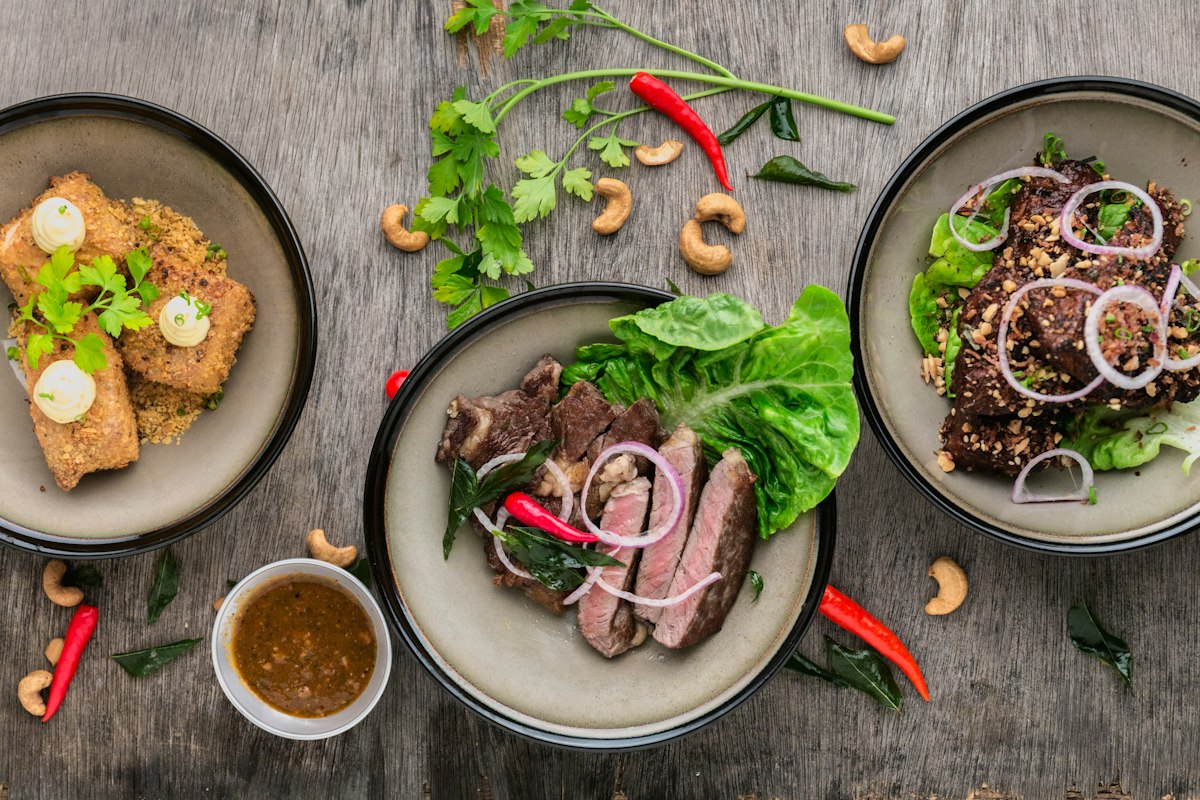
A Michelin Bib Gourmand staple, Nai Ek specializes in rolled rice noodle sheets swimming in a clear, peppery broth simmered for hours with pork bone marrow, star anise, and generous handfuls of white peppercorn. Topped with crispy pork belly (moo krob) and tender sliced pork liver, it is legendary comfort food.
2. Nai Mong Hoi Thod (Crispy Oyster Omelet)
Operating for three generations off Soi Plaeng Nam, this street cart fries plump Surat Thani oysters over high flames with a batter of rice flour and tapioca starch, producing an omelet with an exterior crust as delicate as lace and a silky interior served with sweet chili sauce.
Staff AuthorTanisha is a cultural journalist and culinary explorer with over eight years documenting traditional culinary techniques, UNESCO heritage sanctuaries, and regional artisan communities across Southern Europe, Southeast Asia, and Latin America.
Istanbul at the Crossroads: Bosphorus Crossings, Byzantine Domes & Spice Alleys
Next Article →The Art of Less: An Ultralight One-Bag Travel Packing Blueprint
Related Field Dispatches
View Category →