Istanbul at the Crossroads: Bosphorus Crossings, Byzantine Domes & Spice Alleys
Navigating the historic confluence of Europe and Asia through imperial architecture, ferry routes, and culinary treasures.

Senior Culture & Culinary Editor
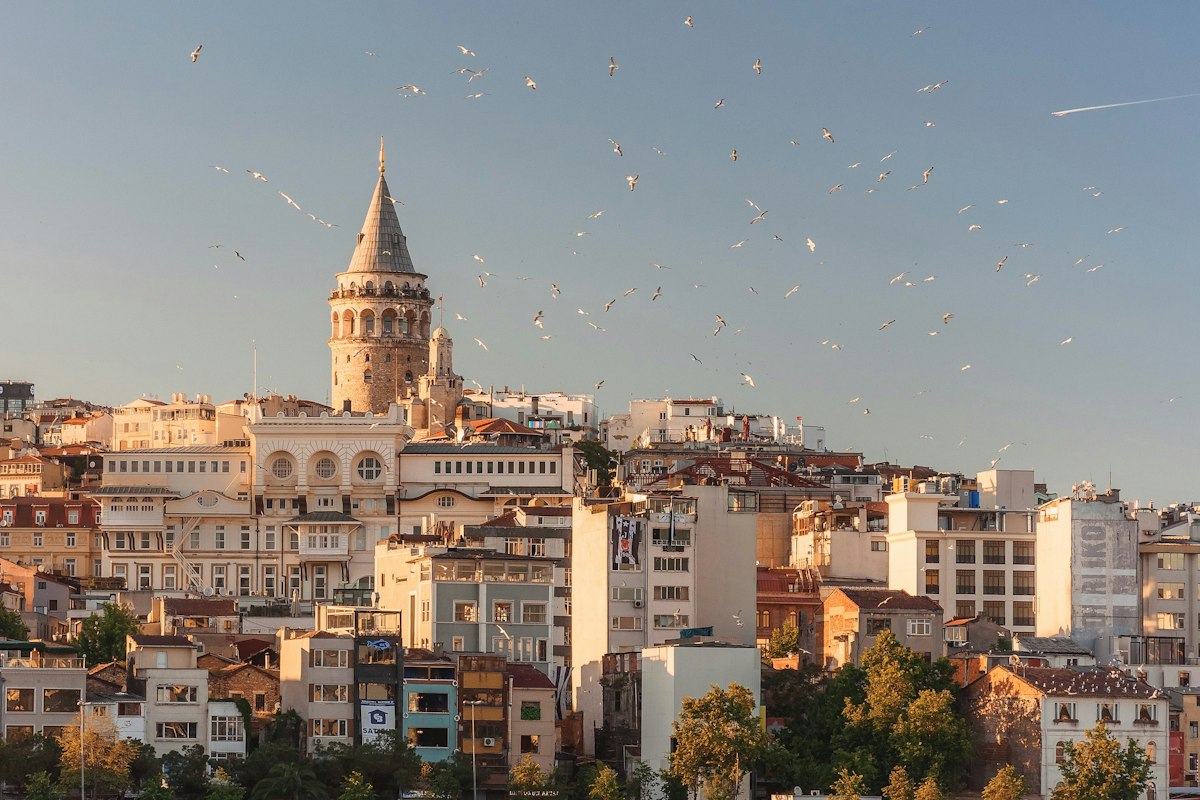
No city on earth bridges geography and destiny quite like Istanbul. Straddling the deep blue artery of the Bosphorus strait, the metropolis stands with one foot firmly planted in Europe and the other reaching into the vast interior of Anatolian Asia.
For millennia, emperors, sultans, merchants, and crusaders have coveted this strategic maritime threshold. Today, that imperial gravitas is palpable in every massive Byzantine dome, slender Ottoman minaret, and bustling ferry dock along the Golden Horn.
The Maritime Pulse of Ferry Transit
While modern suspension bridges and subsea tunnels span the strait, nothing compares to crossing between continents aboard a classic Turkish maritime ferry (Sehir Hatlari). For just a few liras, passengers can board at Karakoy on the European shore and glide across choppy waters toward Kadikoy on the Asian side.
Seagulls wheel overhead, diving for pieces of sesame-encrusted simit tossed by passengers, while tea vendors navigate the lower passenger decks pouring steaming tulip glasses of amber cay.
The Sacred Geometries of Sultanahmet
In the historic peninsula of Sultanahmet, the monumental Hagia Sophia stands as one of humanity’s greatest architectural achievements. Built under Byzantine Emperor Justinian I in 537 AD, its monumental pendentives suspend a cavernous dome that seems, in the words of ancient chronicler Procopius, “to be suspended from heaven on a golden chain.”
Directly opposite, the Blue Mosque (Sultan Ahmed Mosque) provides an Ottoman counterpoint with its six soaring minarets and over 20,000 handmade Iznik ceramic tiles depicting carnations, tulips, and cypress trees in deep cobalt hues.
“In Istanbul, every street corner is an excavation pit into three world empires: Roman, Byzantine, and Ottoman.”
Architectural Field Checklist:
- Basilica Cistern: 336 marble columns rising out of subterranean waters, illuminated by ambient low light.
- Suleymaniye Mosque: Master architect Mimar Sinan’s greatest imperial masterpiece, boasting peerless acoustic engineering.
- Grand Bazaar & Egyptian Spice Market: A sensory labyrinth containing over 4,000 shops under vaulted ceilings scented with sumac, saffron, and cardamom.
Kadikoy: The Asian Culinary Counterpoint
Disembarking on the Asian shore at Kadikoy reveals a youthful, bohemian energy. The bustling food market along Guneslibahce Street boasts pickle merchants displaying barrels of tangy pickled plums, fishmongers shouting the catch of the day, and legendary confectioners selling mastic-scented Turkish delight.
Staff AuthorTanisha is a cultural journalist and culinary explorer with over eight years documenting traditional culinary techniques, UNESCO heritage sanctuaries, and regional artisan communities across Southern Europe, Southeast Asia, and Latin America.
The Four Kings: Diving the Planet’s Marine Biodiversity Epicenter in Raja Ampat
Next Article →Wok Hei Over Yaowarat: Night Feasting Through Bangkok’s Historic Chinatown
Related Field Dispatches
View Category →