The Art of the Pintxo Crawl: San Sebastian’s Masterclass in Miniature Gastronomy
How to navigate the buzzing tavern counters of the Parte Vieja, pairings with crisp Txakoli, and culinary codes of the Basque country.

Senior Culture & Culinary Editor
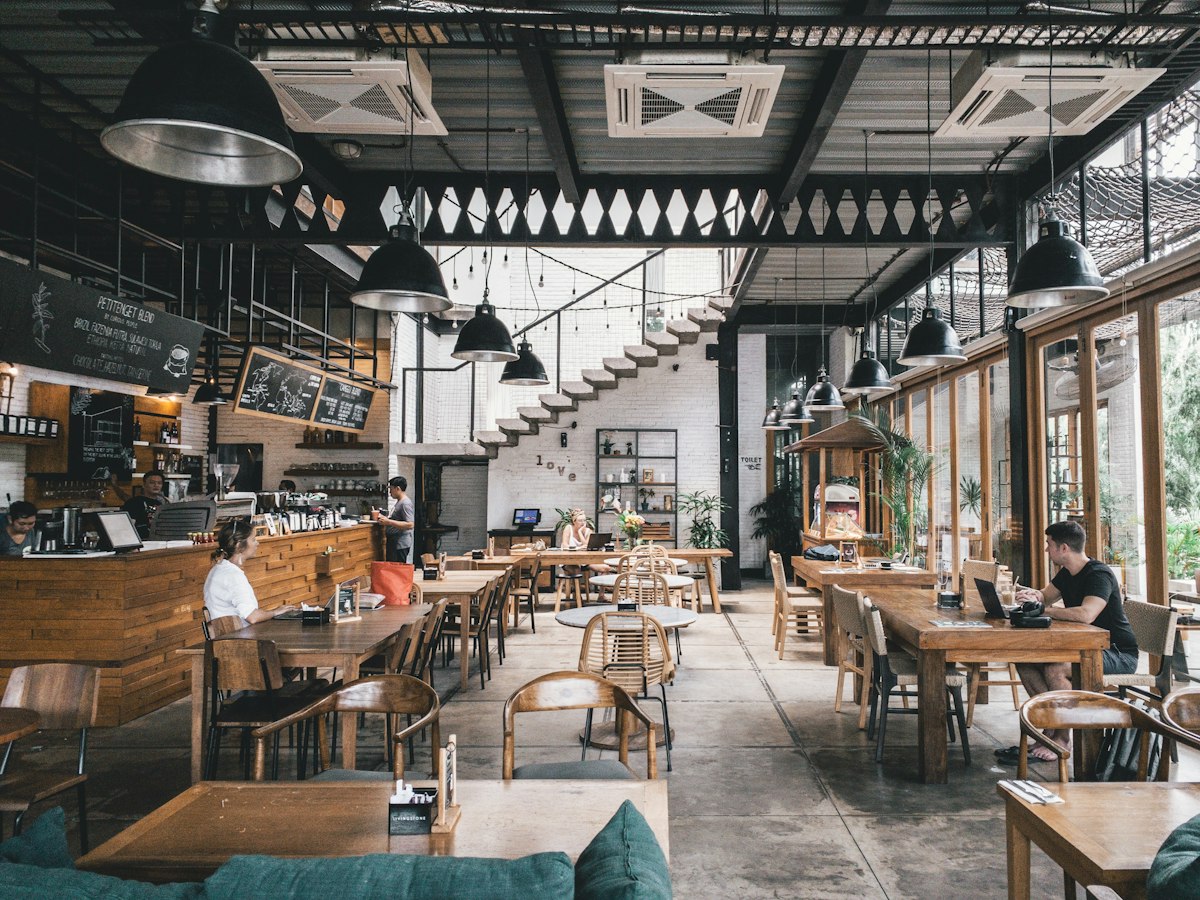
Tucked into the Bay of Biscay against the emerald foothills of the Pyrenees, Donostia-San Sebastian boasts more Michelin stars per capita than nearly any other city on earth. Yet the true culinary soul of the Basque capital resides not in white-tablecloth temple dining, but on the crowded, napkin-strewn tavern counters of the Parte Vieja (Old Quarter).
Here, the ritual of the txikiteo—moving from bar to bar with friends, drinking small glasses of wine and sampling each establishment’s signature specialty—has been perfected over generations into an art form.
The Ritual and Protocol of the Pintxo Bar
Entering a packed bar like Gandarias or Bar Sport on a Friday evening can feel overwhelming to the uninitiated. To enjoy the experience like a local, observe these fundamental ground rules:
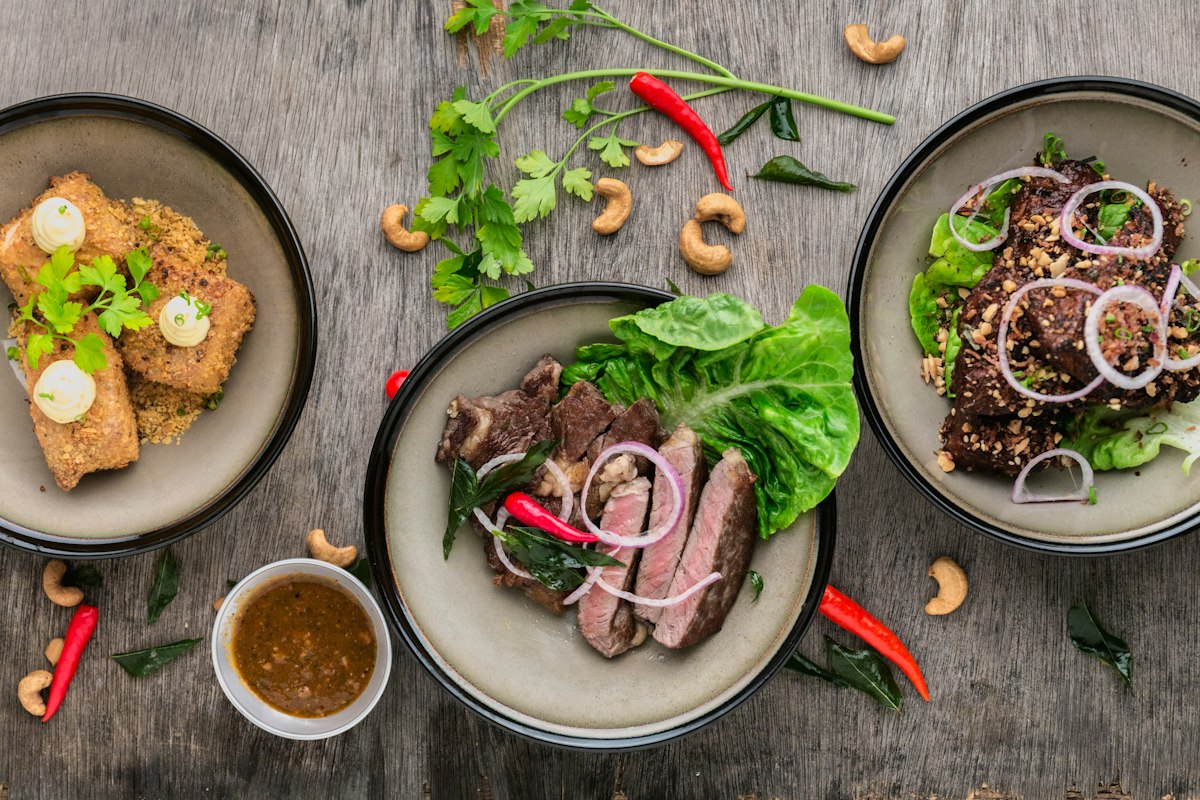
- Order Warm from the Kitchen: While cold pintxos crowd the bar counter on elaborate platters, the finest delicacies are prepared to order (a la plancha) from the chalkboard menu overhead.
- One Bar, One Specialty: Resist the temptation to load a plate with six different pintxos in one place. Order one or two signature items, finish your drink, and move on to the next specialist bar.
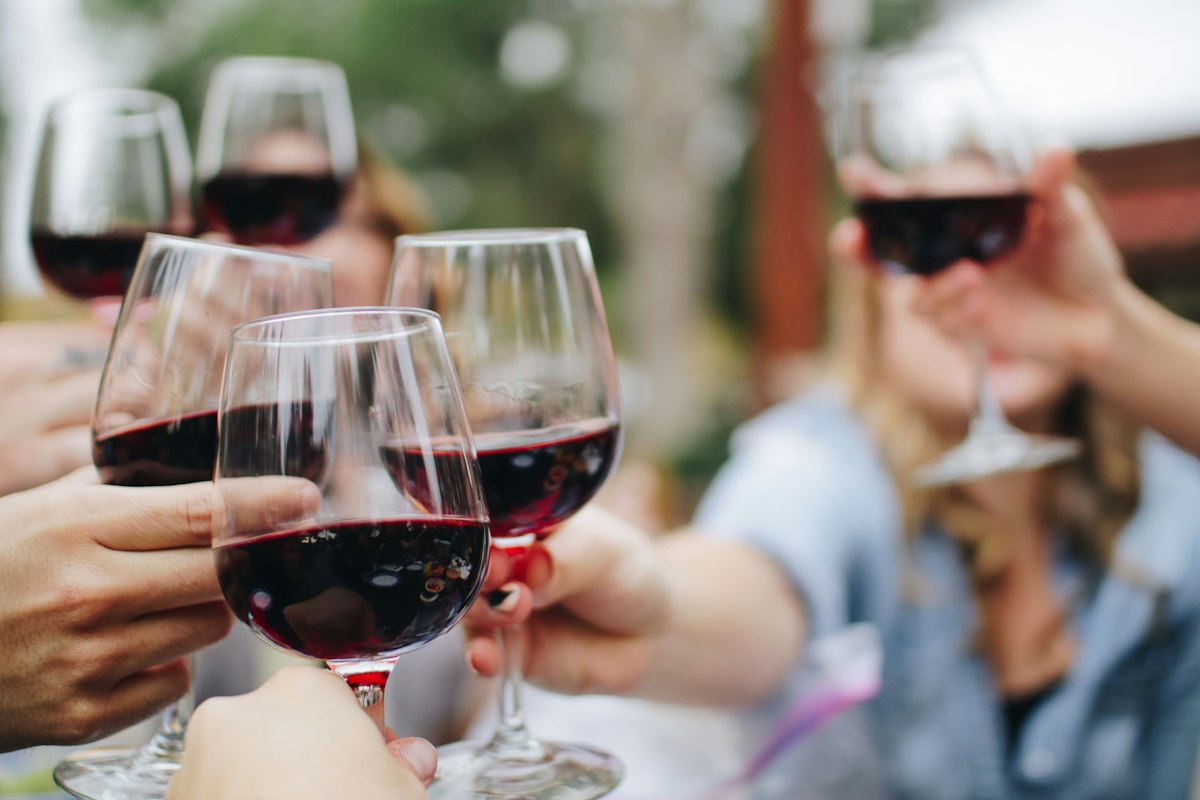
- Embrace Txakoli Poured from on High: Pair your bites with Txakoli—the crisp, slightly effervescent local white wine poured theatrically from shoulder height to aerate the wine and soften its bright acidity.
Legendary Bites You Cannot Miss:
- La Gilda (Bar Txepetxa): San Sebastian’s original pintxo, invented in the 1940s—a skewer of pickled guindilla pepper, green manzanilla olive, and salt-cured Cantabrian anchovy.
- Solomillo al Foie (Gandarias): Seared beef tenderloin medallion topped with fresh duck liver and flaky sea salt.
- Tarta de Queso (La Vina): The world-famous Basque burnt cheesecake with a caramel-crisp exterior and molten, creamy center.
Staff AuthorTanisha is a cultural journalist and culinary explorer with over eight years documenting traditional culinary techniques, UNESCO heritage sanctuaries, and regional artisan communities across Southern Europe, Southeast Asia, and Latin America.
The Atlantic’s Emerald Secret: Crater Lakes & Geothermal Escapes in the Azores
Next Article →Tokyo Beyond the Neon: Hidden Alleys, Modernist Temples & Secret Shrines
Related Field Dispatches
View Category →