Tokyo Beyond the Neon: Hidden Alleys, Modernist Temples & Secret Shrines
An architectural deep-dive into Tokyo’s most poetic historic quarters, from Yanaka’s wooden machiya to Aoyama’s quiet concrete sanctuaries.

Senior Culture & Culinary Editor
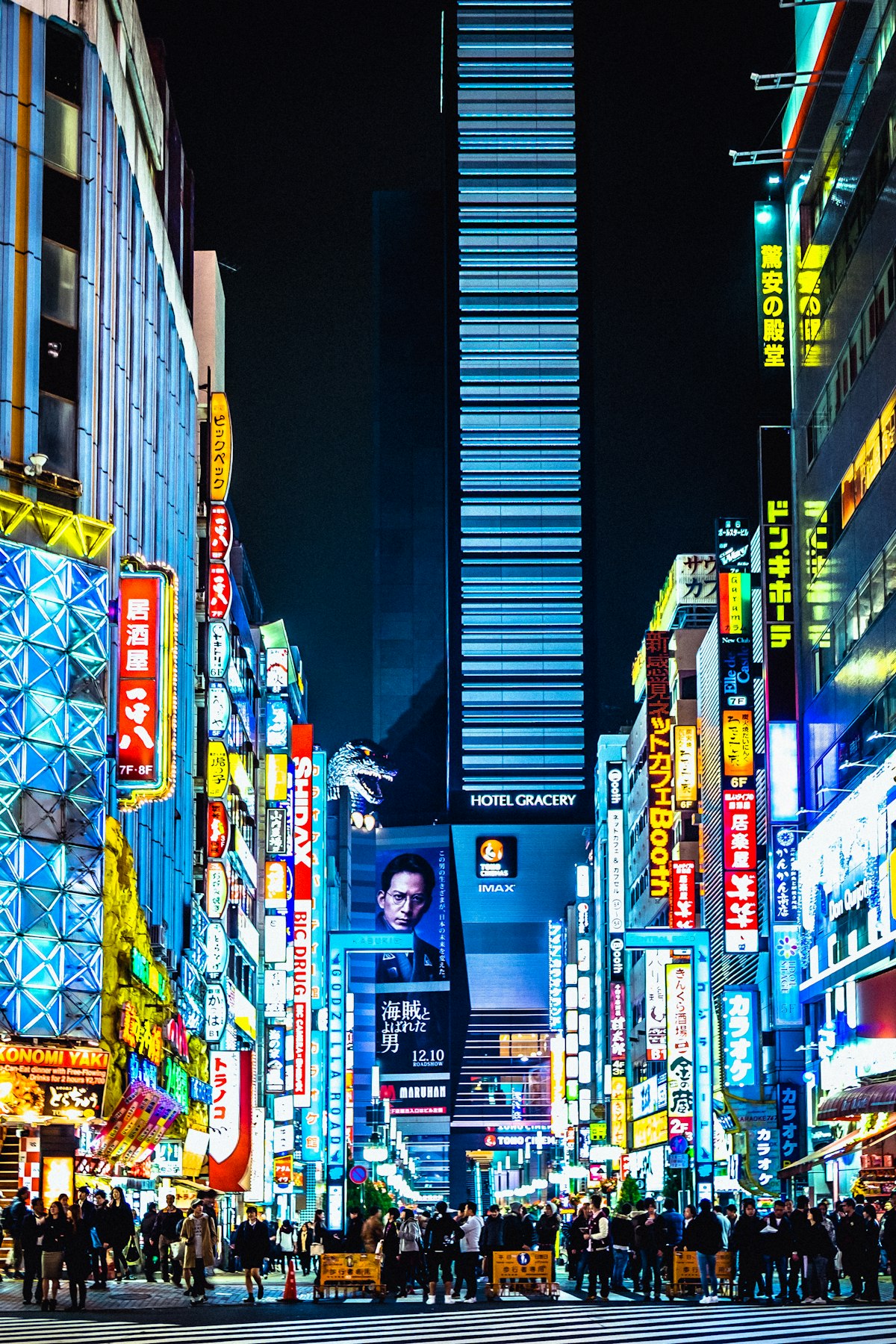
Tokyo is a city that defies singular categorization. Beyond the retina-searing neon displays of Shinjuku and the hyper-kinetic scramble of Shibuya Crossing lies an intricate tapestry of low-rise neighborhoods where centuries of ritual, timber craftsmanship, and cutting-edge modernist concrete coexist in serene equilibrium.
To truly understand the metabolic spirit of Tokyo, one must step away from the bustling arterial thoroughfares and penetrate the winding roji (narrow residential alleyways) where potted bonsai trees line front steps and wooden sliding doors reveal tiny four-seat soba counters.
The Preservation of Shitamachi Spirit in Yanaka
While much of Tokyo was reshaped by post-war development, Yanaka—part of Tokyo’s historical shitamachi (low city)—miraculously survived both the 1923 Great Kanto Earthquake and wartime bombardments. Strolling through Yanaka Cemetery beneath canopies of cherry blossoms reveals a side of the metropolis that feels profoundly grounded in time.
Here, traditional wooden houses have been thoughtfully converted into contemporary art galleries like SCAI The Bathhouse, a 200-year-old public bathhouse transformed into one of East Asia’s most cutting-edge contemporary exhibition spaces.
“Tokyo is not a single sprawling metropolis, but a constellation of distinct villages interconnected by clean transit and shared respect for domestic tranquility.”
Key Architectural Landmarks to Explore:
- Nezu Shrine: Dating to 1705, featuring a tunnel of miniature vermillion torii gates and azalea gardens.
- Asakura Choso Museum: The former studio and residence of master sculptor Fumio Asakura, blending Western studio design with classical sukiya-style tea ceremony rooms.
- SunnyHills Minami-Aoyama: Master architect Kengo Kuma’s jiigoku-gumi wooden lattice pineapple cake shop.
Modernist Contemplation in Aoyama and Daikanyama
A short metro ride away, the architectural dialogue shifts from weathered cedar to tactile fair-faced concrete. In Aoyama, Tadao Ando’s understated subterranean galleries masterfully manipulate natural light, channeling shadows reminiscent of Jun’ichiro Tanizaki’s seminal treatise In Praise of Shadows.
Further southwest in Daikanyama, the Hillside Terrace complex designed by Pritzker laureate Fumihiko Maki represents four decades of progressive human-scale urbanism, demonstrating how modern commercial architecture can breathe alongside lush zelkova trees.
Practical Field Notes for the Urban Explorer
| Detail | Recommendation |
|---|---|
| Best Season | Late October to early December (crisp skies, radiant ginkgo leaves) |
| Transit Card | Welcome Suica or Pasmo digital wallet integration |
| Early Morning Haven | Meiji Jingu inner forest at 6:30 AM before tourist crowds arrive |
| Local Etiquette | Always carry a compact coin pouch and your own hand towel |
Tokyo rewards the slow wanderer who looks upward at cantilevered balconies and downward into sunken courtyard moss gardens. It is a metropolis designed not just for spectacle, but for sustained contemplation.
Staff AuthorTanisha is a cultural journalist and culinary explorer with over eight years documenting traditional culinary techniques, UNESCO heritage sanctuaries, and regional artisan communities across Southern Europe, Southeast Asia, and Latin America.
Related Field Dispatches
View Category →