Lisbon on Foot: Miradouros, Mosaic Pavements & Fado in the City of Seven Hills
A comprehensive walking blueprint across Lisbon’s steepest cobblestone quarters, scenic terrace viewpoints, and legendary pastelarias.

Expeditions & Adventure Editor

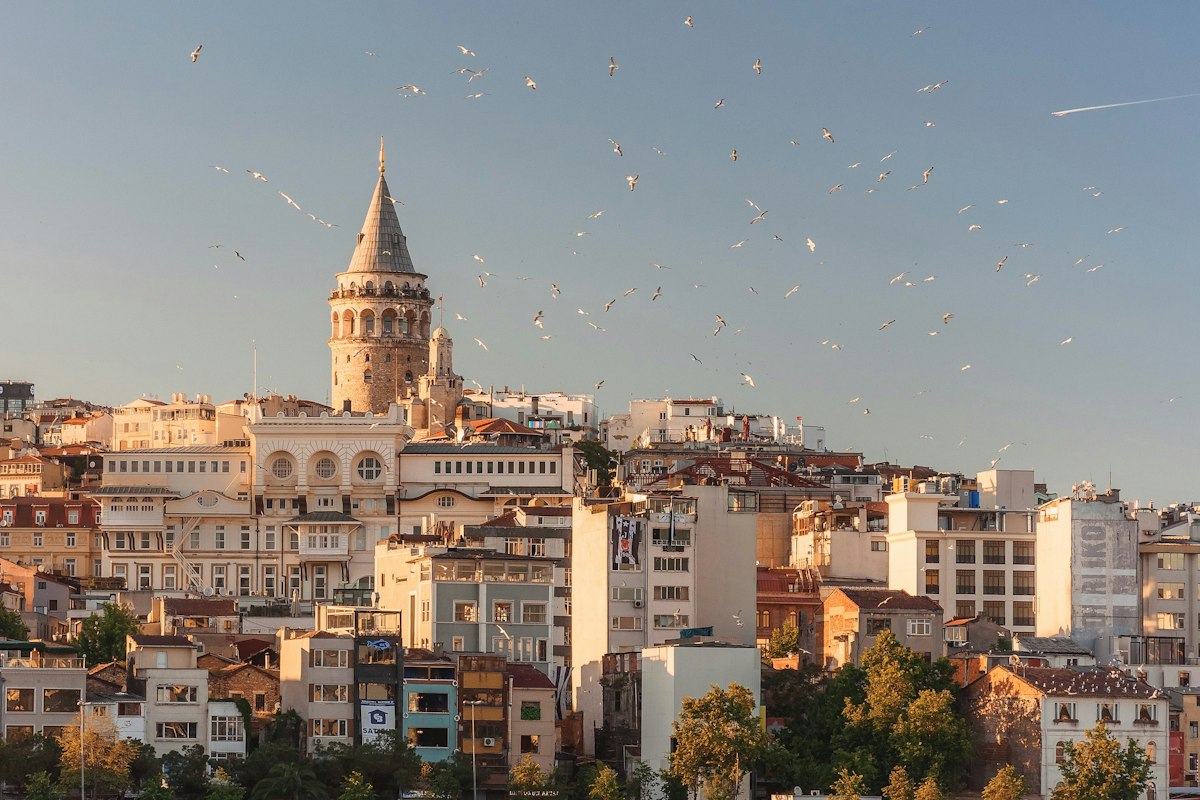
Perched on undulating limestone bluffs above the glittering expanse of the Tagus River estuary, Lisbon possesses a luminosity unmatched by any other European capital. The Atlantic breeze sweeps clean across sun-bleached terracotta roofs, while the rhythmic clatter of vintage Remodelado trams echoes against hand-painted azulejo tile facades.
Exploring Lisbon is inherently an athletic endeavor. The city’s famed seven hills demand sturdy footwear and a willingness to surrender to serpentine staircases that lead unexpectedly to panoramic miradouros (viewpoints) where locals gather at sunset with glasses of crisp Vinho Verde.
Ascending the Moorish Maze of Alfama
Alfama is Lisbon’s oldest surviving quarter, its labyrinthine street plan largely unchanged since the medieval Islamic period. Here, laundry flutters overhead like celebratory bunting, and elderly women sell homemade ginjinha (sour cherry liqueur) directly from their ground-floor kitchen windows.
As dusk settles over the neighborhood, the haunting minor-key melodies of Fado drift outward from modest tascas. Unlike tourist-oriented dinner spectacles, authentic Fado in Alfama is an intimate communion of Portuguese guitar and raw vocal vulnerability, chronicling themes of saudade—that untranslatable Portuguese longing for what was lost.
“To walk Lisbon is to read its history through the soles of your feet across the calcada portuguesa—the black basalt and white limestone mosaics that pave every terrace and square.”
Must-Visit Miradouros:
- Miradouro da Senhora do Monte: The highest viewpoint in the city, offering a 270-degree panorama of the castle, downtown Baixa, and the 25 de Abril suspension bridge.
- Miradouro de Santa Luzia: Shaded by vibrant purple bougainvillea with traditional tile panels depicting Lisbon before the cataclysmic 1755 earthquake.
- Miradouro das Portas do Sol: Perfect dawn vantage point as early morning light illuminates the whitewashed walls of the Monastery of Sao Vicente de Fora.
The Literary Elegance of Chiado and Bairro Alto
Crossing into Chiado, the mood shifts from village intimacy to Belle Epoque refinement. At Cafe A Brasileira, a bronze statue of modernist poet Fernando Pessoa sits permanently outside, presiding over an endless stream of espresso drinkers.
Livraria Bertrand, officially recognized by Guinness World Records as the oldest operating bookstore on earth (founded in 1732), provides sanctuary from midday heat. Its vaulted brick rooms invite quiet browsing through centuries of Portuguese prose and poetry.
Essential Logistics
| Route Component | Insider Tip |
|---|---|
| Footwear | Rubber-soled shoes with firm grip; wet limestone calcada can be remarkably slippery |
| Tram 28 Alternative | Take Tram 12E or early morning Tram 25E through Santos to bypass long tourist queues |
| Sunset Aperitif | Kiosk at Miradouro de Santa Catarina for panoramic Tagus river watching |
Staff AuthorShivam is an alpine trekker, expedition photographer, and wilderness specialist who has traversed glacial passes in Patagonia, high routes across the Karakoram, and desert traverses in the Arabian Peninsula. He writes extensively on backcountry logistics and sustainable mountaineering.
Guardians of the Canopy: Rewilding and Biological Corridors in Costa Rica
Next Article →Stillness in Stone: Inside Kyoto’s Zen Temples & Sacred Rock Sanctuaries
Related Field Dispatches
View Category →