Oaxaca’s Living Canvas: Zapotec Weavers, Clay Workshops & Ancestral Agave
An expedition into the southern Mexican highlands where ancestral indigenous languages, black clay ceramics, and artisanal mezcal thrive.

Expeditions & Adventure Editor
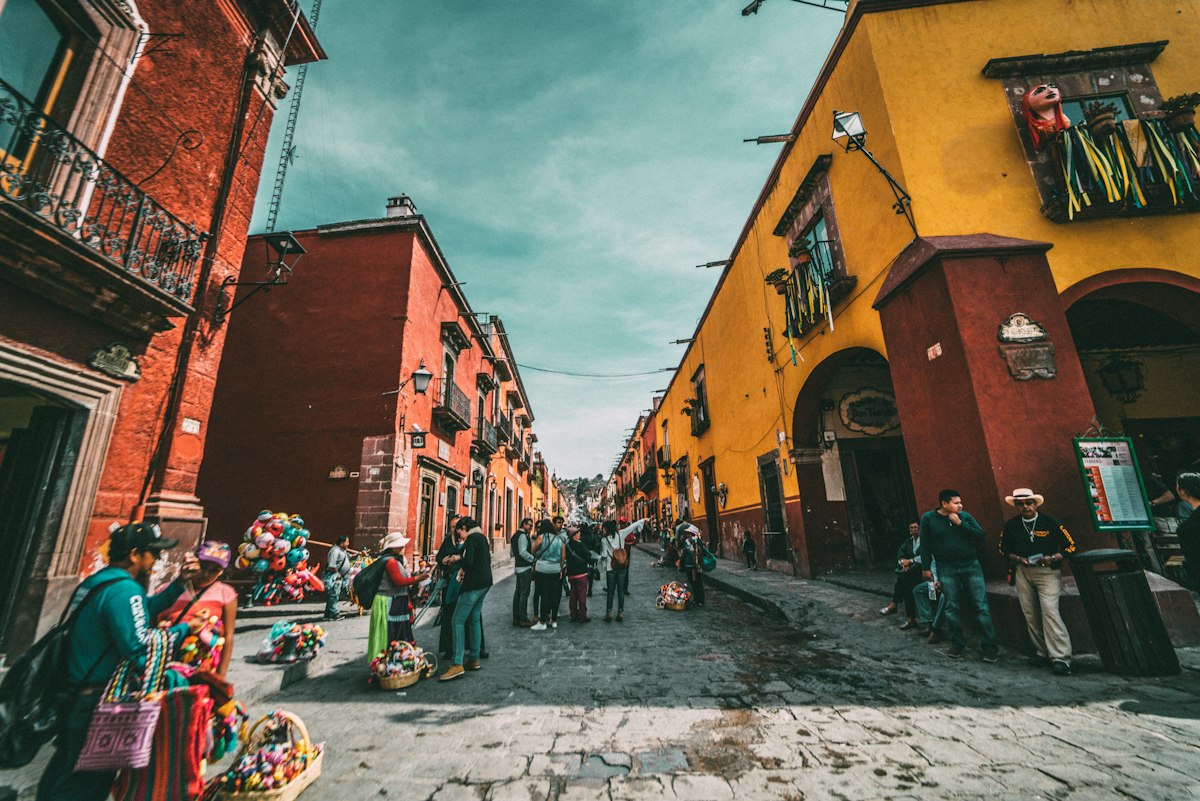
Ringed by the rugged peaks of the Sierra Madre del Sur, the Central Valleys of Oaxaca have served as the cultural epicenter of Mesoamerica for thousands of years. While Oaxaca City’s green quarry stone colonial mansions and flowering jacarandas captivate travelers, the true heartbeat of the region lives in the surrounding indigenous pueblos.
Here, sixteen distinct indigenous ethnolinguistic groups maintain unbroken traditions of textile weaving, open-fire ceramic production, and artisanal mezcal distillation that predate the Spanish conquest by centuries.
The Natural Dye Masters of Teotitlan del Valle
A thirty-minute drive east of the capital lies Teotitlan del Valle, a Zapotec village renowned across the Americas for its master weavers. In open-air family courtyards, local artisans hand-spin raw sheep’s wool and dye it using 100% organic regional pigments:
- Cochineal: A tiny parasitic scale insect harvested from nopal cactus pads, producing shades ranging from crimson to electric magenta when altered with lime juice or baking soda.
- Wild Indigo (Anil): Yielding deep oceanic blues through natural bacterial fermentation.
- Pomegranate Rinds and Marigold (Cempasuchil): Producing earthy ochres, golds, and mustard yellows.
The geometric motifs woven on heavy wooden pedal looms are not mere decorative flourishes; they depict ancient Zapotec calendar glyphs, mountain deities, and the sacred lightning serpents found at nearby archaeological ruins like Mitla.
The Alchemical Soul of Traditional Palenques
South toward Santiago Matatlan, roadside smoke signals mark small family-run palenques (mezcal distilleries). Unlike industrial tequila production, artisanal mezcal remains an intimate, labor-intensive craft:
Mature agave hearts (pinas)—often wild varieties like Tobala, Tepeztate, and Karwinskii that take up to 25 years to mature—are roasted underground in conical stone-lined pits over fragrant holm oak embers for five days. Crushed under massive stone Chilean tahonas pulled by horse, the fermented mash is distilled in copper stills or clay pots (olla de barro).
The resulting elixir carries notes of wild herbs, mineral soils, and sweet roasted agave—a liquid terroir that chronicles the microclimate of the valley.
Staff AuthorShivam is an alpine trekker, expedition photographer, and wilderness specialist who has traversed glacial passes in Patagonia, high routes across the Karakoram, and desert traverses in the Arabian Peninsula. He writes extensively on backcountry logistics and sustainable mountaineering.
Cradle of Viticulture: Unearthing 8,000-Year-Old Qvevri Amber Wines in Kakheti
Next Article →The Rose-Red City of Stone: Navigating Petra Beyond the Famous Treasury
Related Field Dispatches
View Category →